Humanist: A Stylish Handwritten Font for Creative Branding
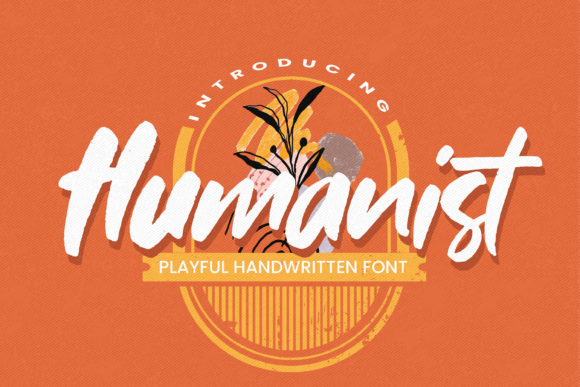
As I sat down to begin the branding project for a new local café, I knew I needed a font that would capture the warm, inviting, and authentic feel of the space. After some research, I stumbled upon Humanist, a classy and stylish handwritten font that seemed perfect for the job.
The First Impressions with Humanist
Opening up my design software, I started with a blank brand board. The first thing I did was test Humanist on a few logo drafts. The font's natural, flowing lines and subtle variations in stroke width gave an immediate sense of authenticity and personality. It felt like it was written by hand, which perfectly aligned with the café’s vision of being a cozy, community-driven spot.
Logo Design and Brand Identity
Once I finalized the logo, I moved on to the broader brand identity. Humanist worked beautifully as a display font for the café’s name, adding a touch of elegance and charm. For the tagline, I used a clean sans serif font to create a nice contrast and maintain readability. This combination not only looked visually appealing but also helped in establishing a clear visual hierarchy.
Packaging and Product Labels
Next, I designed the packaging for the café’s signature coffee blends and pastries. Humanist, with its elegant yet approachable style, made the product labels stand out. The handwritten feel added a personal touch, making each package look like it was carefully crafted just for the customer. I also noticed that the font’s readability was excellent even at smaller sizes, which is crucial for product labels.
Social Media and Digital Presence
For the café’s social media graphics, I used Humanist to create eye-catching Instagram posts and stories. The font’s natural flow and character made the content feel more engaging and less like a generic post. Whether it was a special announcement or a daily menu update, Humanist brought a consistent and professional look to the café’s online presence.
Website Headers and Printed Materials
The café’s website needed a strong, welcoming header, and Humanist delivered. The font’s elegance and readability made it a perfect choice for the homepage hero section. Additionally, I designed business cards, menus, and flyers using Humanist, ensuring that the café’s brand was consistently represented across all printed materials. The font’s versatility and charm made it easy to use in various contexts without losing its impact.
Practical Tips for Using Humanist
- Test Before You Commit: Always start by testing the font in different scenarios, such as logos, headers, and body text, to see how it performs in various sizes and contexts.
- Font Pairing: Consider pairing Humanist with a clean sans serif or a classic serif font to create a balanced and harmonious design. This can help in maintaining readability while adding a touch of sophistication.
- Check for Alternates and Ligatures: Humanist comes with a variety of alternates and ligatures, which can add unique touches to your designs. Experiment with these to find the best fit for your project.
- Multilingual Support: If your project involves multiple languages, make sure to check if Humanist supports the necessary characters. This is especially important for global brands or multilingual websites.
- Commercial Licensing: Ensure you have the appropriate commercial license if you plan to use Humanist for client work or commercial projects. This will help you avoid any legal issues and ensure you’re using the font ethically.
Conclusion
Using Humanist for the café’s branding project was a rewarding experience. The font’s natural, handwritten style brought a unique and authentic feel to every aspect of the brand, from the logo to the packaging and digital presence. Its versatility, readability, and charm made it a standout choice for creating a cohesive and engaging brand identity. Whether you’re working on a small café, a boutique, or any other creative project, Humanist is a premium font that can truly elevate your design.