Harpa: A Whimsical Typeface for Creative Web Design
As a web designer, I’m always on the hunt for fonts that can add a unique and engaging touch to my projects. Recently, I came across Harpa, a whimsical, relaxed, and quirky handwritten font that has quickly become a favorite in my design toolkit. This typeface is perfect for those who need a beautiful and refreshing look to their designs, and I’ve been testing it out in various real-world web layouts.
A Refreshing Look for Your Website
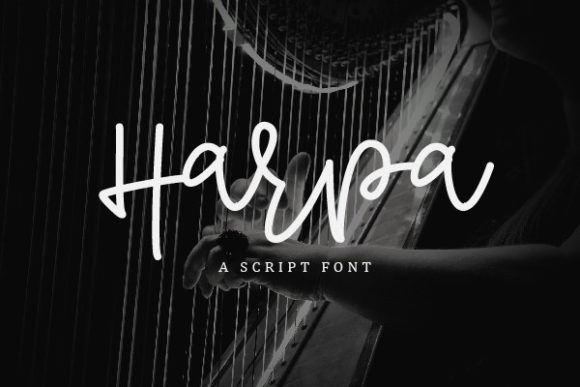
Harpa is a premium font with a distinctive personality. Its handwritten style is both charming and approachable, making it ideal for creating a warm and inviting atmosphere on any website. The font’s relaxed and quirky nature brings a playful and creative vibe, which can be particularly effective for brands that want to stand out and connect with their audience on a more personal level.
Hero Sections and Headlines
One of the first places I tested Harpa was in the hero section of a boutique online store. The font’s large, bold, and expressive characters made an immediate impact, drawing the visitor’s attention and setting the tone for the rest of the site. The handwritten style added a human touch, making the brand feel more relatable and authentic. For a coaching website, I used Harpa for the main headline, and it perfectly captured the friendly and supportive nature of the coach’s services.
Responsive Readability
When designing for the web, responsiveness is key. I was pleased to see that Harpa holds up well on mobile screens. The font’s clear and legible characters make it easy to read even on smaller devices. However, I did find that using Harpa for long body text or small navigation elements could be challenging. It’s best suited for short, impactful phrases and titles where its decorative nature can shine without overwhelming the user.
Visual Hierarchy and Brand Consistency
Creating a strong visual hierarchy is essential for guiding users through your website. Harpa is an excellent choice for establishing this hierarchy, especially when paired with a clean sans serif font for body text. For example, in a product landing page, I used Harpa for the main call-to-action (CTA) button, and it stood out beautifully against the background. The font’s unique style also helped in maintaining brand consistency across different sections of the site, from the hero banner to the footer.
Font Pairing and Web Design Flexibility
To achieve a balanced and professional look, I recommend pairing Harpa with a simple sans serif or a clean serif font. For a creative portfolio, I combined Harpa with a modern sans serif for the project descriptions, resulting in a harmonious and visually appealing layout. This combination not only enhanced the readability but also added a touch of sophistication to the overall design.
Practical Tips for Using Harpa
- Check for Webfont Availability: Before using Harpa on your website, ensure that it is available as a webfont. This will help in maintaining fast loading times and a consistent experience across different browsers and devices.
- Test on Different Backgrounds: Harpa looks great on both light and dark backgrounds, but it’s always a good idea to test it in your specific context. For instance, I found that using a subtle texture or gradient behind the text can enhance its readability and visual appeal.
- Consider Accessibility: While Harpa is highly decorative, it’s important to keep accessibility in mind. Use it for headings and short, impactful text, and pair it with a more readable font for longer content. This ensures that all users, including those with visual impairments, can easily navigate and understand your site.
- Review Licensing: If you plan to use Harpa for client projects or commercial purposes, make sure to review the licensing terms. Some fonts may have restrictions on usage, so it’s crucial to check the details to avoid any legal issues.
Conclusion: A Versatile and Engaging Font
In conclusion, Harpa is a versatile and engaging font that can add a lot of character and charm to your web designs. Whether you’re working on a creative portfolio, a boutique online store, or a coaching website, Harpa can help you create a memorable and visually appealing experience. Just remember to use it judiciously, pair it with complementary fonts, and always keep readability and accessibility in mind. Happy designing!