Enhancing Web Design with Newline: A Versatile Script Font
As a web designer, I recently embarked on a project to revamp the online presence of a boutique clothing store. The goal was to create a visually appealing and engaging website that would not only attract visitors but also convert them into loyal customers. One of the key elements in achieving this was the choice of typography, and that's where Newline came into play.
Discovering Newline: A Charming and Alluring Script Font
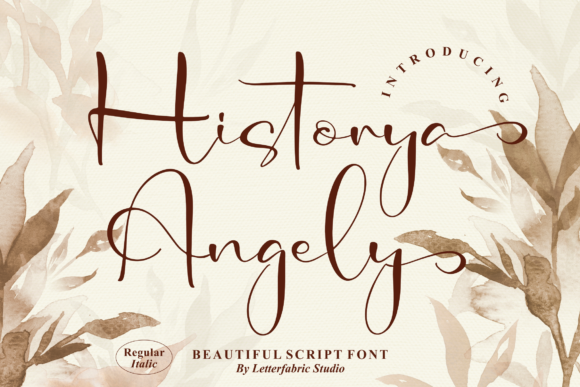
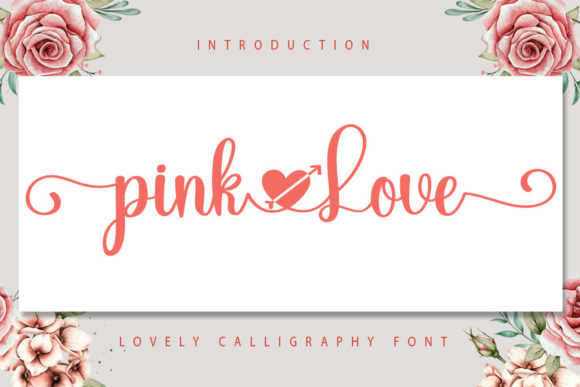
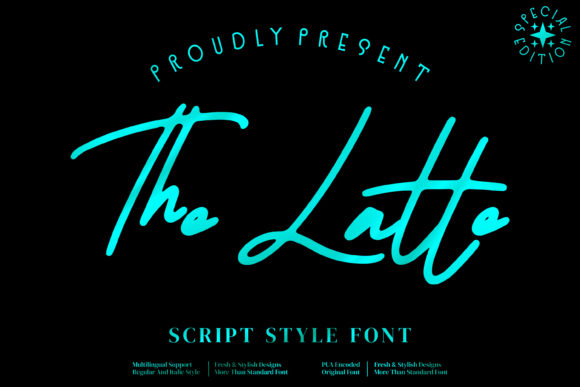
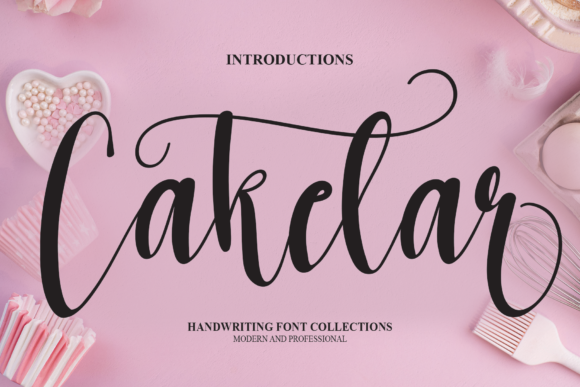
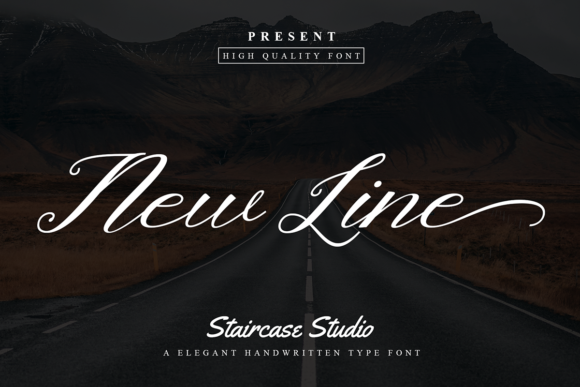
Newline is a premium script font that exudes charm and allure. Its elegant, flowing lines and graceful curves make it a standout choice for any design that aims to be both sophisticated and inviting. The font is PUA encoded, which means all glyphs and swashes are easily accessible, allowing for a seamless integration into any creative project.
Testing Newline in a Real Website Project
For the boutique store, I first tested Newline in the hero section of the homepage. The hero banner featured a high-quality image of the latest collection, and I wanted the title to stand out without overpowering the visual. Placing Newline over the image, I immediately noticed how it added a touch of elegance and personality to the overall design. The font's fluidity complemented the soft, flowing fabrics of the clothing, creating a cohesive and visually pleasing experience.
Using Newline for Headers and Call-to-Action Areas
Next, I explored using Newline in the headers and call-to-action (CTA) areas. For the main navigation and section headings, I opted for a clean, sans serif font to ensure readability and a modern look. However, for the CTA buttons, Newline provided a unique and eye-catching appeal. The font's decorative nature made the CTAs stand out, encouraging users to click and explore further.
Readability and Visual Hierarchy
One of the critical aspects of web design is readability, especially on mobile screens. To ensure Newline maintained its charm while being legible, I used it primarily for short phrases and titles. For longer text, such as product descriptions and blog posts, I paired Newline with a simple, readable sans serif font. This combination helped maintain a clear visual hierarchy, making it easy for users to scan and read the content.
Creating a Consistent Brand Identity
Consistency is key in building a strong brand identity. By using Newline across various elements of the website, from the logo to promotional banners, I was able to create a cohesive and polished look. The font's distinctive style became a recognizable part of the brand, enhancing the overall user experience and fostering a sense of trust and professionalism.
Font Pairing and Design Flexibility
When it comes to font pairing, Newline offers great flexibility. For a more editorial and refined look, I paired it with a classic serif font. This combination worked well for the blog section, giving the articles a sophisticated and authoritative feel. For a more modern and clean aesthetic, I used a sans serif font, which balanced the decorative nature of Newline perfectly.
Practical Considerations for Using Newline
Before incorporating Newline into the website, I checked its included styles, webfont availability, and file formats. The font supports multiple weights and alternates, providing ample options for customization. Additionally, it includes multilingual support, which is essential for a global audience. Lastly, I verified the commercial licensing to ensure the font could be used legally on the client's website and other digital assets.
Final Thoughts on Newline
In conclusion, Newline is a versatile and elegant script font that can significantly enhance the visual appeal and user engagement of a website. Whether used in a creative portfolio, a coaching website, or an online store, Newline adds a touch of sophistication and personality. By carefully considering readability, font pairing, and practical use, designers can leverage Newline to create a memorable and polished brand experience.